
Find alternatives to prescription drugs
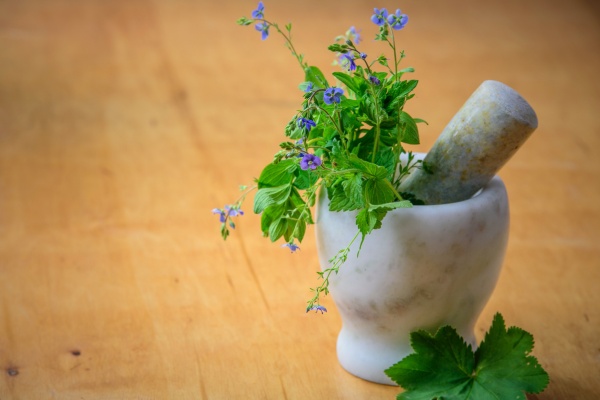
For many ailments, especially some minor ones, non-prescription approaches may offer better treatment, cost savings, and more freedom to care for yourself.
Arthritis And Pain
Osteoarthritis and other forms of muscle and joint pain can frequently be managed with non-prescription means. One of our favorite effective options has been topical CBD. Higher-strength topical CBD works well to relieve muscle pain and joint inflammation. Charlotte’s Web and Plus CBD are two we have tested and had good results with.
Topical treatments that used to be by prescription only including topical diclofenac, an anti-inflammatory, and topical lidocaine a now widely available over the counter and reasonably priced. Topical diclofenac was widely prescribed and expensive at over $100 a tube. Once it went over the counter the price dropped to $20 or less. This is effective for joint and muscle pain but can cause stomach irritation if using large amounts for long periods of time. Topical lidocaine includes a variety of topical creams and patches.
Another honorable mention would be Salon Pas patches. These have been around for decades but do a great job for spot treatment of inflammation. The patches include menthol and salicylic acid, the principal metabolite of aspirin. These little patches are great for relaxing trigger points or muscle knots, inflamed bursa, or spots of specific joint inflammation.
Some herbal treatments can help with inflammation. Turmeric can help reduce inflammation and may be enough for some forms of inflammation. It can also be used as an add-on to other treatments to help reduce the amount of anti-inflammatory drugs that are needed. Buy a high-quality turmeric supplement if you go this route. We found cheaper alternatives frequently lacked enough of the active ingredients to really do anything while supplements with higher amounts of curcumin made a noticeable difference.
Boswellia is another supplement with anti-inflammatory properties. This herbal supplement can reduce inflammation and can be taken in conjunction with Turmeric or as an add-on for other treatments. Depending on the type of inflammation it may be sufficient as a stand-alone treatment for some types of inflammation.
Insomnia
Insomnia is a common but disrupting problem for many people. Melatonin is a commonly suggested supplement for improving sleep. The dosage needed varies and some people can develop a tolerance to it. Taking a break for a few weeks can overcome tolerance issues. Another effective natural sleep aid is cannabis. Check your state and local regulations for what forms of cannabis may be legal where you live. The THC in cannabis can help people fall asleep and stay in deep sleep but lower doses seemed more effective than higher doses. Many dispensaries sell gummies intended for sleep issues.
Diabetes
Some less severe forms of type 2 diabetes and pre-diabetes can be managed without prescription drugs. You should still be periodically meeting with your doctor to discuss blood sugar and A1C levels to make sure you are properly managing your condition. Bitter melon can lower blood sugar levels. This can be a useful supplement to help manage diabetes but should be used with caution if you are taking prescription medications to lower your blood sugar levels. Diet and exercise are trotted out as the first-line treatment for pretty much everything. In this case, it can be pretty effective. Changing your diet, reducing carbs, and adding more fiber to your diet can have a significant effect on blood sugar levels. Some have had good results following a keto diet. The Mediterranean diet has also been cited as being an effective option for weight loss and controlling blood sugar levels.
Gallbladder
Some gallbladder problems can be managed with non-prescription approaches. Stones or blockages need intervention from a doctor but conditions like chronic inflammation and low functioning. If the extent of your gallbladder problems happens when eating fatty foods, a digestive supplement that contains bile may help. These are taken with meals to help digest the fats in food. These are frequently suggested for people who have had their gallbladder removed to help reduce the same symptoms. There are also some supplements that will help “cleanse” the gallbladder. These have anecdotal evidence of being effective where people report feeling better but lack serious scientific studies.
We have covered some of the more common ailments that have non-prescription alternatives but many more conditions may have options that don’t involve the pharmacy.