
Save money on lab tests, and diagnostics like x-rays and MRI scans.
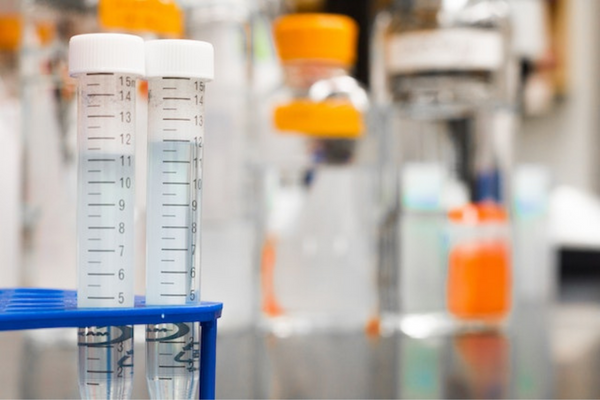
Diagnostic tests such as X-rays or lab work can be an unexpected financial surprise. Prices for tests vary widely and many insurance plans have specific rules about when and how much they will cover for diagnostic tests. In many cases, labwork isn’t covered by the new “no surprises” law that intends to prevent surprise medical bills, if an outside lab is used. Even a lab in the same health system may technically be an “outside lab” due to how the health system has set up the organizational structure.
Lab work and diagnostic prices vary considerably and most providers will not tell you the cost ahead of time. The NY Times found some lab tests could be $11 at one provider and almost $1000 for the same test at a different provider. Since most insurance has a deductible or coinsurance for diagnostics, you could end up with a very unpleasant surprise bill. An LA Times report found some lab tests can cost 800% more depending on where you have them done.
Do You Need It
The first question should be, do you truly need this test? Ask your doctor if they can diagnose your problem accurately without the test. Also, ask them what the treatment plan would be if the test was affirmative for the concern at hand. If the treatment plan is already underway or the result of this test wouldn’t really change the treatment plan you might be able to skip or defer the test.
In one more egregious instance of unnecessary tests, a patient was urged to submit to a CT scan of their head. The patient had come in asking for a prescription for an antihistamine for seasonal allergies. Not only was the test completely unnecessary, it is extremely expensive and comes with a significant dose of radiation.
What Will It Cost
Most providers still won’t tell you what that lab test might cost but you can now look it up yourself. The federal government requires healthcare providers to post a list of various services and the associated cost. Most of these lists are buried somewhere on the provider’s website as a CSV file you need to download and open in Excel or Google Sheets. You can also look up the cost on Turquoise Health. They can show you the cost of a procedure or test at multiple providers in your area.
Get It Somewhere Else
If the test or diagnostic isn’t urgent, you may be able to have it done elsewhere at a lower cost. Many larger cities have independent walk-in labs for most lab tests. Quest and Lab Corp are the two largest chains. Some cities have independent facilities that run their own tests or partner with one of the chains. The benefit of these types of labs is knowing the price upfront, lower costs, convenience, and many health plans will cover the cost at 100% without a deductible.
To have most lab tests run at an independent lab you will need a written order from your doctor. Some doctors are reluctant to do this if it takes business away from their health systems’ in-house lab. Explaining the excessive out-of-pocket costs will usually get most providers on board, even if it is reluctantly.
Quest will let you purchase many lab tests without a doctor’s order. You will have to pay the cash price but this can be a great option if your provider won’t write an order for a lab test, you have a hunch you want to test or you need some routine follow-up testing. Lab Corp also lets you order your own tests under a program similar to Quest.
Some of their tests can be done with a home collection kit. This skips the trip to a collection site and provides an option for people who don’t live somewhere Lab Corp has a presence. Lab Corp also has a home kit to test for covid, RSV, and flu all in one kit. They ship the kit to your house by Fed Ex, you take the sample swab and drop it in a Fed Ex drop box or have them pick it up at your house. This test is $0 if you have insurance and meet the listed criteria.
Home Test Kits
Depending on what you are testing for and why, there are a number of home test kits on the market that don’t require a doctor or a trip to a lab. There are tests for things like blood A1C, thyroid levels, food intolerances, H-pylori, cholesterol, STDs, PCOS, cortisol, hepatitis, Lymes disease, vitamin levels, and more.
X-rays And Scans
Diagnostic scans and X-rays can lead to significant out-of-pocket costs. Most are subject to both deductibles and co-insurance. Prices also vary widely. An MRI may cost a few hundred dollars at one provider but cost over $2500.00 for the same scan at another. Make sure you truly need the scan, and that it isn’t being done more to protect the doctor than confirm your health.
Look for independent facilities in your area. There are some that only charge an office call fee for an MRI scan, so your cost is just your office call co-pay rather than being on the hook for potentially thousands if your insurance decides to not pay up.
A common cost-saving tactic by insurance companies is to run any diagnostic tests through a 3rd party service after you already had the scan done, to decide if they think it was actually necessary. If this 3rd party decides your scan wasn’t necessary you could be liable for the entire cost, at the inflated cash price the insurance company negotiated with that provider. Also, check your insurance before you have any major diagnostics done to see if they require pre-approval for the test.
Where you have a test done and how it is billed also changes the potential cost. Many health systems have moved all of their diagnostics to their hospitals. This now requires an extra trip to have a scan done and lets them bill it at a higher hospital outpatient rate. If scans are being done with the anticipation of sending you to an outside specialist, see if the scans might be cheaper with the specialist’s facility and if they can wait to do them there.
One of the national destination clinics charged $75 for a set of X-rays that would have cost thousands at a local outpatient facility and may have been done incorrectly by the local facility due to not being well-versed in the specialty.
If you can afford to pay cash for a diagnostic scan and have checked what the facility’s cash price for the scan is, this may be a safer and cheaper bet if you think your insurance is going to dump the cost on you in the end. If you can, pay for the scan before it is done, or get the cash price in writing to prevent any change in terms from the provider.