What makes a great medical waiting room at a clinic or hospital and what doesn’t? We relived some of our best and worst waiting room experiences. See what a good experience can look like and demand better from providers.
The TV
Televisions are a common fixture in waiting rooms. Intended to alleviate boredom they can either be a convenience or a nightmare. Good options are something generic like HGTV, the Travel Channel, Bloomberg (since it is more of a generic information stream), or cartoons to keep the kiddos happy. These all tend to not be extremely loud, offensive, polarizing, or stressful.
Things go wrong when programs that are extremely loud, include people arguing or are polarizing or violent topics. These create stress in an already stressful situation where people can’t easily leave. At a large family practice clinic waiting room, the staff had put on Fox News at a fairly high volume while two guests had a heated argument. The body language of everyone in the waiting room was tense and uncomfortable while people were clearly trying to tune out this TV. Someone finally had enough and asked the desk to change the channel. They flipped it to HGTV and turned the volume down. You could see the entire waiting room physically relax.
Most clinics will keep the remotes for the TVs behind their desk. Hospitals frequently leave the remote out for anyone to pick a channel that everyone else will be subjected to. Do your part and put the TV on something non-offensive and hide the remote. Hospitals could manage this better by not leaving TV remotes out or going into the TV settings and blocking channels that probably shouldn’t be streamed to waiting rooms full of people.
An option some clinics have implemented is showing health-related TV programming provided as a service to medical providers. This sidesteps the problems with what channels to allow and is generally quiet and non-offensive enough to be appropriate for a waiting room. Other clinics have opted to not install TVs at all and have opted for calming background music instead.
Sufficient Space
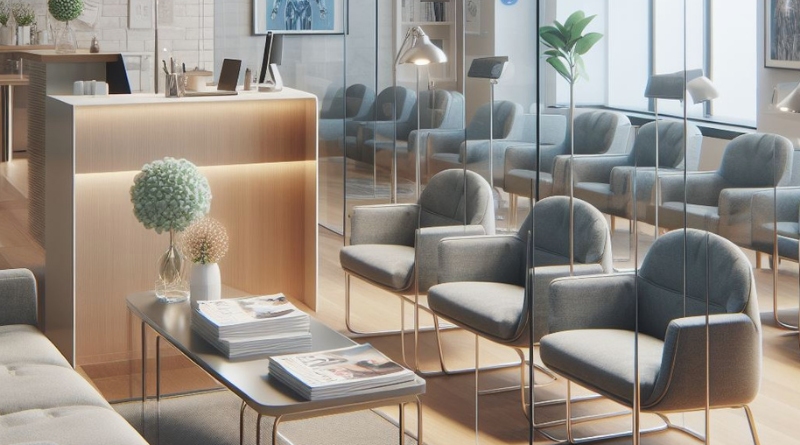
Enough space to not feel crowded by other people is a must. This is also a health issue. Close proximity to people who may be sick with something contagious and airborne could add a new health problem to your list. Too little space also negatively impacts air quality. Insufficient space can increase stress and anxiety. It also creates a lack of privacy including situations where caregivers may come out to the waiting room to discuss something with a patient.
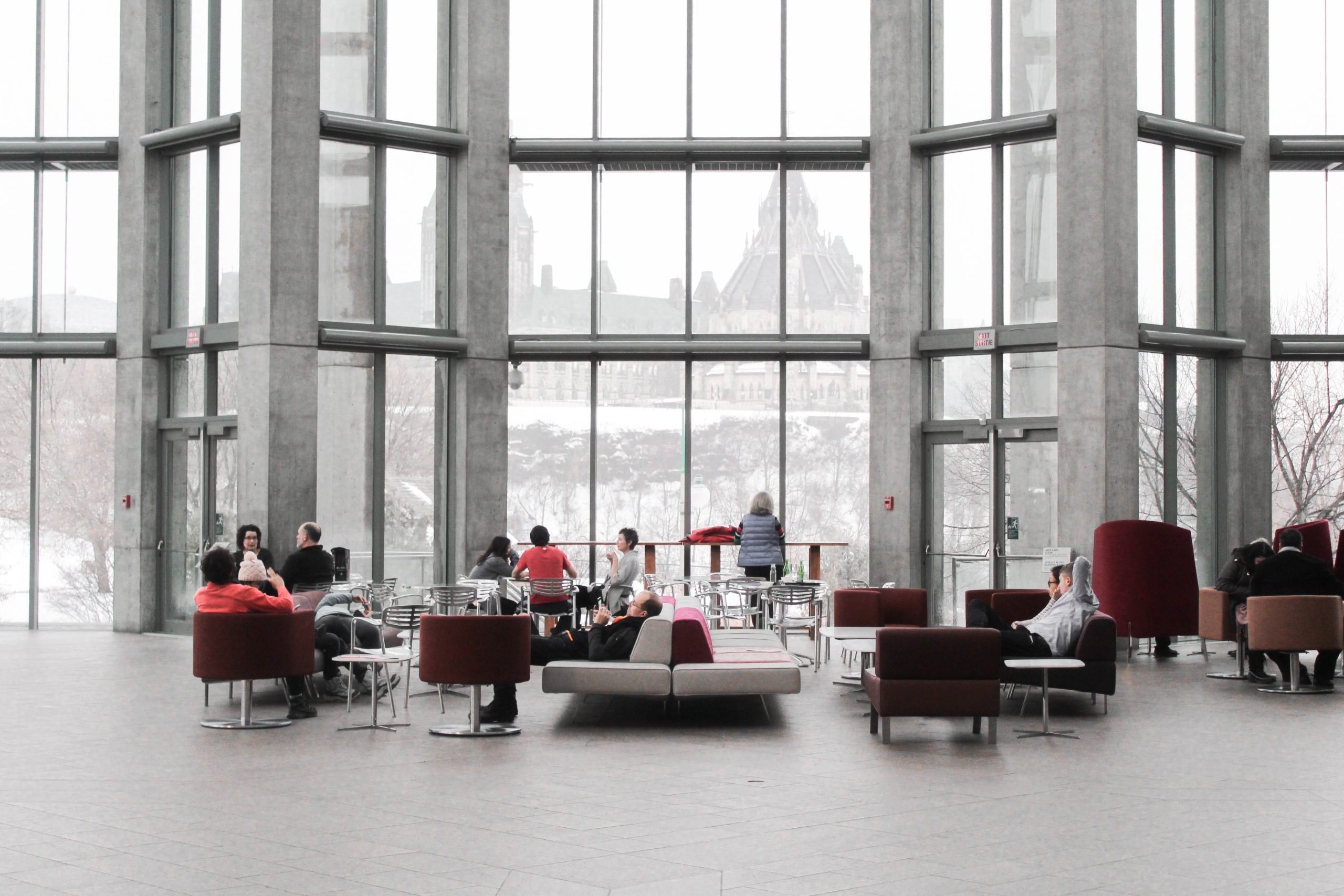
Waiting areas with sufficient space are needed for accessibility. Public spaces should be available to all and the amount of people visiting a clinic on crutches, in a wheelchair, or with other assistive devices increases that necessity. Larger spaces also increase security. Staff can more easily see what is going on and address problems if needed.
Decent Accommodations
Noise and privacy should be properly managed. This is even more important in situations where people are made to wait for hours, such as same-day surgery. Longer-term waiting areas should have quiet areas or be deemed a quiet space. More and more people bring their laptops and try to squeeze some work in while they spend most of the day waiting for the person in surgery. Hospitals could up their game by taking a hint from coffee shops and airports. Add in free wifi, some work tables, or bars with easy to easy-to-reach USB ports and outlets, and make those areas somewhat low noise. Clinics and hospitals could go a step further and add some of the design elements used in airport member lounge clubs. Private areas, lounge chairs that recline, and more space are key features that could be applied to long-term waiting rooms.
Most long-term waiting rooms have free bottled water and maybe soda or juice along with cookies or granola bars. Oh and really bad coffee. These outdated offerings forget all the people with different dietary needs. More appropriate offerings could include cold brewed coffee, on tap or bottled, with the option for plant-based milk or creamer. Food options that actively accommodate gluten-free, dairy-free, vegan, and religious-based dietary needs. That dusty granola bar on the top self doesn’t count. Hospitals could take a hint from airline member club rooms here. You don’t have to offer anything extravagant but make what you offer something quality that people can eat.
Stress Reducing Design
All of the things we already mentioned help reduce stress. The physical design of a space can also help reduce stress but needs to be done in conjunction with other needs. Biophilic nature-based design is known to be stress-reducing. Things like plants, fish tanks, and views of the outdoors can help make a waiting room more tolerable. Many spas, airport club lounges, and hotel public spaces take advantage of this approach.
What Can You Do?
Encourage better waiting room space by filling out those patient feedback surveys and specifically calling out what is good and what is bad. Give examples of specific things the facility could improve. If something was extremely stressful, unacceptable, or unsafe, submit a complaint to the facility. Those situations are not preferences and need to be addressed. If they were extremely unsafe, a complaint to an outside authority may be in order.